Acupuncture as End-of-Life Support
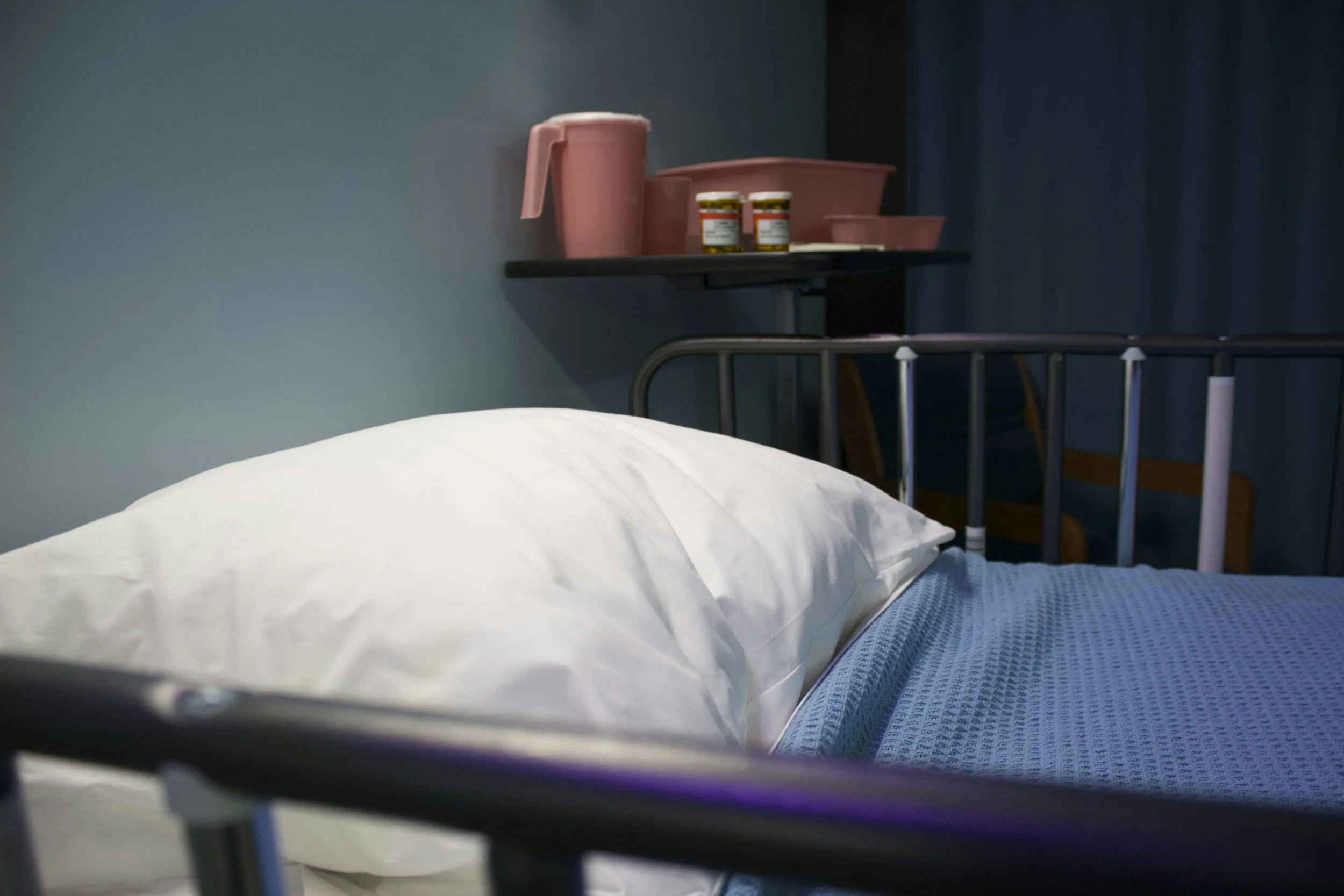
There comes a point in serious or terminal illness when the goal of care changes.
It’s no longer about doing more, treating more, or trying to change the course of disease. Sometimes, the most meaningful care left to give is simply helping someone feel a little more comfortable in their body, for however much time remains.
This is where acupuncture can have a place — not in place of hospice or palliative medicine, but alongside it.
The Shift No One Prepares You For
Families are often prepared, in some clinical sense, for a terminal diagnosis. What they’re rarely prepared for is the moment care itself has to change shape — when the question in the room quietly shifts from how do we fight this to how do we make today a little easier?
That shift can feel disorienting. It can feel, to some families, like giving up.
It isn’t.
It’s a different kind of care, with a different goal — one focused not on changing the outcome, but on the quality of the time that remains.
Acupuncture, used this way, belongs within that second kind of care.
Acupuncture as End-of-Life Support
Acupuncture does not treat or cure a terminal illness, and it is never a substitute for hospice or palliative care.
What it can offer, when used alongside a patient’s existing medical team, is complementary support for some of the symptoms and discomforts that can shape someone’s final months, weeks, or days.
Depending on the individual and where they are in their illness, acupuncture may be considered for:
Pain and physical discomfort
Nausea or digestive discomfort
Restlessness and difficulty settling
Sleep disruption
Fatigue
Anxiety and emotional tension
Generalized muscular tension
Research in cancer care has found some of the strongest evidence for acupuncture in managing nausea and vomiting, while evidence for pain and other symptoms is more variable.
It is one tool among many, not a replacement for any of them — and it should be offered with that honesty from the start.
A Different Question, at This Stage of Life
Traditional Chinese Medicine looks at the person, not simply the diagnosis.
As illness progresses, that way of thinking can offer a different lens.
Instead of asking only what disease a person has, a practitioner may also ask:
What is this person’s energy like right now?
Are they restless, or depleted?
Where does their body hold tension?
What, today, might help them feel a little more settled?
At the end of life, treatment may be less about trying to restore the person to an earlier state and more about supporting comfort and ease within the body as it changes.
That distinction matters.
Gentle, by Necessity
Someone in hospice or late-stage illness may be medically fragile in ways that call for significant adaptation.
Acupuncture may be modified substantially, or non-needle techniques may be used instead, depending on medications, energy level, skin integrity, bleeding risk, and the overall care plan already in place.
The goal is never to do more than the person can comfortably tolerate.
It is to meet the person exactly where they are, on that day, in that hour — without an agenda beyond providing appropriate, gentle support.
Care for the Family, Too
Serious illness rarely affects just one person.
Families sitting with a loved one at the end of life are often exhausted, watchful, and carrying their own weight of grief long before a death occurs.
While the patient remains the focus of care, there can also be something meaningful for the family in creating a calmer, quieter environment around their loved one.
Sometimes, simply knowing that another layer of comfort and attentive care is available can matter.
What Comfort Actually Looks Like
Palliative and hospice care recognize that serious illness affects far more than the body — sleep, emotional well-being, appetite, family relationships, meaning, and the simple texture of daily life can all change.
Acupuncture can be one additional layer of support within that much larger circle of care, alongside physicians, nurses, social workers, chaplains, caregivers, and family.
Sometimes that care looks like helping someone settle enough to rest.
Sometimes it is supporting relief from nausea or physical discomfort.
Sometimes it is simply creating one quiet hour where a person doesn’t have to be “a patient” — where they can just be a person, in their body, being cared for.
And at the end of life, that kind of care matters.
Root & Essence Acupuncture offers private concierge acupuncture for individuals and families navigating serious illness, palliative care, and end of life — providing gentle, comfort-focused support at home or another appropriate care setting, in coordination with the patient’s existing medical, hospice, or palliative-care team.
If your family is walking through this season with someone you love, we’re here and happy to talk it through.